


Many people have some narcissistic traits, but what exactly is the definition of being a narcissist? In this article, you’ll find answers to all of these questions, as well as explaining how narcissism in women can differ from narcissism in men.
Read on to find out if you have a narcissistic lover or family member, or if it might be you yourself or another person who has narcissistic traits.
Narcissism
Narcissism. It’s a difficult word, both to write and to understand. Even more difficult is living or being in a relationship with a narcissist , and many can find this both demanding and confusing. As you read this, it is possible that you find yourself in such a life situation and need more information to know how to deal with it, and which way might be best for you.
Definition – what is a narcissist?
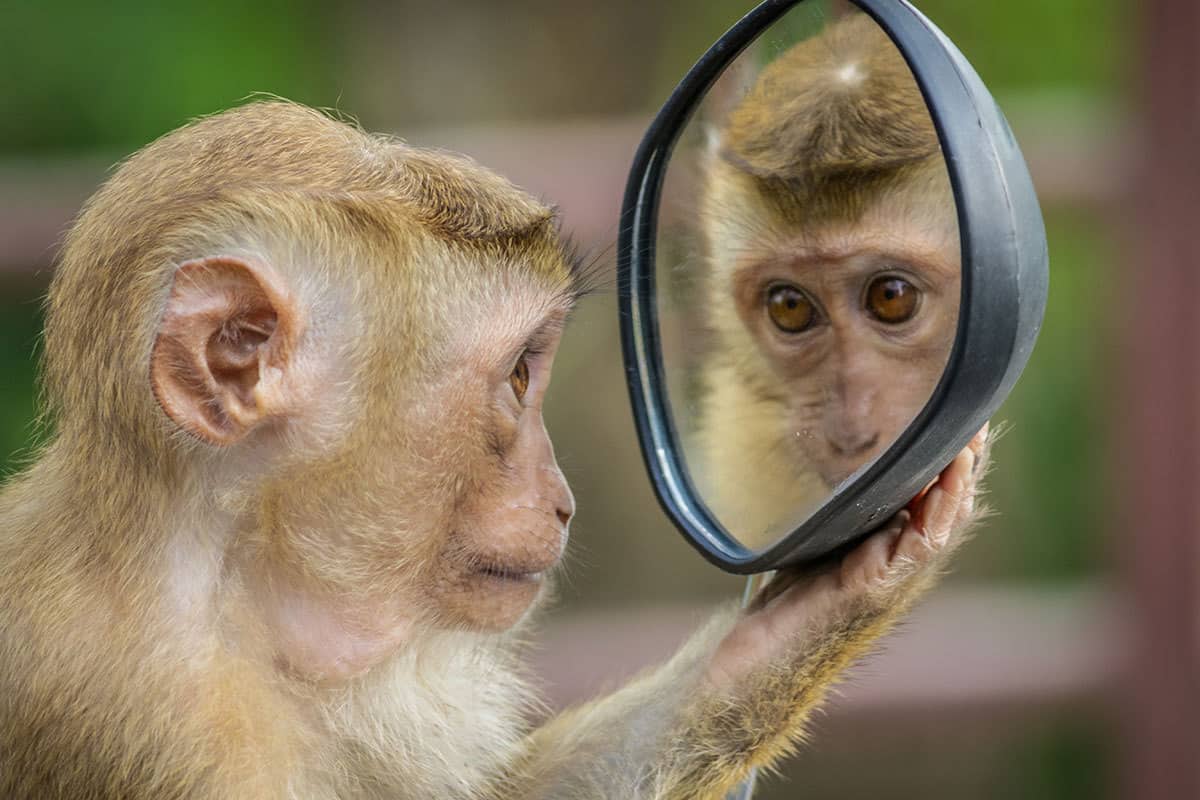
The origin of the word itself dates back to Greek mythology – when Narcissus fell in love with his own reflection. The very definition of narcissism is simply described as a morbid or harmful self-indulgence. It is not enough to have a few narcissistic traits to be diagnosed; a pattern of such traits over time is required. Professionals look for how narcissistic traits are expressed in behavior, and some people can have a high degree of narcissistic traits.
It should not be confused with selfishness or self-absorption, as narcissism is a personality disorder . One of the most prominent characteristics of narcissistic personality disorder is a grandiose self-perception, in which the person often overestimates their own importance and abilities.
How prevalent is narcissism?
It is estimated that 0.8 percent of the population in Norway suffers from narcissism, but experts say the true number may be higher. Both men and women are affected, although narcissism in women is not something we hear too much about in the media. The traits are not significantly different between the sexes, but a female narcissist tends to express less narcissistic rage than a male. Low self-esteem can also contribute to the development of narcissistic traits.
Most of us have narcissistic traits . In today’s technological age, it is very visible how concerned many are with always being seen and heard, and some can be overly concerned with «likes» and positive comments. However, there is much more than that to fall under the definition of narcissism. Lack of empathy is a key characteristic of narcissistic personality disorder, and this distinguishes it from regular narcissistic traits.
Causes of narcissism
Mari was always the perfect daughter. She received praise when she excelled, but silence when she was just being herself. Her parents only noticed her when she did something extraordinary. Or maybe it was the opposite – she was completely overlooked, no matter what she did. How did this shape Mari as an adult?
The causes of narcissism and narcissistic personality disorder are something that many people wonder about, and the answer is as complex as the human being himself. Each person’s story is unique, but research shows us clear patterns. It’s about both what we are born with and what life shapes us to become. Imagine people who have grown up in environments where they have either been praised as little gods or completely ignored – both can create the same result: an exaggerated sense of self-importance .
Mari knows this well. Inside her, a belief has grown that she must be extraordinary to be worth anything.
The psychological factors creep in – low self-esteem hiding behind grandeur, past experiences of being invisible, all of this contributes to the development of what we call narcissistic behavior. Many with narcissism live in a constant search for admiration and attention from others around them. They are incredibly vulnerable to criticism, even the mildest form. This causes them to build up strategies – to protect their fragile self-image .
But these strategies only reinforce the narcissistic traits even more. Mari has become an expert at this. But it is important to remember that there is no single cause that explains everything. It is often a complex combination of several factors that together form the basis for narcissistic personality disorder.
Hva kan vi hjelpe deg med?
Velg tjeneste
Narcissistic traits and symptoms
How do you actually detect a narcissist? Narcissism is not a physical illness, and therefore it is not possible to detect this through a medical examination. A psychologist or therapist will be able to evaluate symptoms and make a diagnosis, but there are also some typical narcissistic traits that you should be aware of. Some narcissists are more vulnerable than others, and may react strongly to criticism or rejection. Narcissistic traits in a family can also have a major impact on children, especially when children’s needs and feelings are not met.
- Extremely charismatic – Charisma and narcissism often go hand in hand. A narcissist can be exceptionally charming, and the beginning of romantic relationships can be very adventurous. But that can quickly turn. Any kind of criticism can lead to an extremely cold shoulder or even rage. Narcissists may idealize their partner at the beginning of a relationship, but later devalue them, which can be very damaging to the relationship.
- Self-Enjoyer – A narcissist is not only their own biggest admirer, but they derive pleasure from their own success, qualities, and abilities. The narcissist is flawless and often has very extreme and extravagant goals for everything from career to life in general – no matter how unrealistic.
- Admiration Addiction – The need for constant attention and admiration is so great that it is difficult to satisfy in people with narcissism. Stories and achievements are often exaggerated, and the truth is often embellished without any thought. Being the center of attention in a gathering or in a conversation will be absolutely necessary for the narcissist.
- Lacks empathy – Since the focus is primarily on the narcissist themselves, it is difficult for them to feel empathy. Therefore, taking advantage of others, even a partner, is not associated with guilt.
- Does not handle criticism – It is not the narcissist themselves who are wrong or have done something stupid. It is everyone else who is the problem. A narcissist is also perfect, and nothing has to mess up the facade. The accusations will therefore rain down on everyone else with any form of negative feedback or accusation.
Treatment and therapy can help people with narcissistic traits get better, both through increased self-awareness and the development of empathy.
Hva kan vi hjelpe deg med?
Velg tjeneste
Imagine Kristine, who has been with her partner for three years. She keeps trying to explain how she feels, but never feels heard. Her partner seems to be most concerned with his own needs and desires.
Lack of empathy is one of the most prominent characteristics of people with narcissistic traits. For Kristine and many others, this means that they often find it difficult for their partner to understand and take their feelings and needs into account. In close relationships, this can lead to their partner, family or friends feeling overlooked or unappreciated – just as Kristine experiences it. This happens because the narcissist often puts their own wants and needs first, without being able to see how this affects those around them.
A lack of empathy makes it challenging for narcissists to build and maintain healthy relationships , as they are often unable to see things from the perspective of others. This can lead to conflict, misunderstandings, and people with narcissism experiencing problems connecting with others on a deeper level. Narcissists also display arrogance and often exploit others to achieve their own goals, which can further damage their relationships. For many around the narcissist – like Kristine – it can be deeply hurtful that their feelings and needs are not taken seriously.
This inner stress and feeling of not being seen often leads to relationships becoming unstable or breaking up. But for Kristine, this pattern has become a kind of normal – she cannot comprehend and understand that not everyone takes responsibility for others’ feelings in this way. The lack of empathy in narcissists can lead to difficulties in maintaining healthy relationships, which makes it extra challenging for those close to them and thus difficult to deal with a narcissist.
Diagnosis of narcissistic personality disorder
Maria has always been the one who gets the attention. As a child, she was the one who always had to be the center of attention, the one who told the best stories and who demanded admiration from the adults around her.
But now as an adult, people around her are starting to react differently. Friends are pulling away, colleagues seem frustrated, and her boyfriend has begun to question her need for constant recognition.
Maria doesn’t quite understand what’s going on. For her, it feels natural to be the most important person in the room. How can this be a problem?
Diagnosing Narcissistic Personality Disorder – a Complex Process
Being able to say with certainty that someone has narcissistic personality disorder is not something you do overnight. It requires an in-depth assessment of how the person has behaved and what personality traits they have displayed over a long period of time. To meet the diagnostic criteria for narcissistic personality disorder, someone must score highly on at least five of the nine traits that define this clinical diagnosis.
Psychologists and psychiatrists don’t have a simple checklist to check off. Instead, they often use diagnostic tools like the DSM-5 to determine if a person meets the necessary criteria for narcissistic personality disorder.
Maria has decided to seek help. She has begun to understand that her need for admiration and inability to show empathy are negatively affecting her relationships.
During the first conversation with the psychologist, she talks about her upbringing, about how she has always felt special and different from others. She describes how she gets angry when others do not recognize her qualities.
But herein lies the challenge: narcissism can manifest itself in so many different ways and to such varying degrees that it makes the entire diagnostic process complicated and demanding.
When narcissism takes different forms
Some people display their narcissistic traits in an overt, grandiose way – they brag, demand attention and think they are better than everyone else. But others can be much more subtle in how they express their narcissism. Narcissism is often divided into grandiose and vulnerable types, with shame triggering anger in both cases. This distinction can be important in understanding how narcissistic traits manifest in different situations.
These subtle forms can be harder to detect, both for the person themselves and for those around them. They can involve a constant feeling of being misunderstood, a hidden need for admiration, or a tendency to manipulate situations to get their way.
Maria identifies with both descriptions. Sometimes she is open about how amazing she thinks she is, other times she feels like a victim who doesn’t get the recognition she deserves.
The psychologist explains that this is not uncommon. Narcissism can shift between these two extremes, depending on the situation and how the person is feeling.
Why a professional assessment is crucial
This is where professional assessment becomes incredibly important. Being able to distinguish between normal narcissistic traits and an actual personality disorder requires experience, knowledge, and time.
We all have narcissistic traits to some degree – it’s perfectly normal to want recognition and to think highly of ourselves. But when these traits start to ruin relationships, work performance, and everyday life, then it could be something more serious.
A therapist or psychologist will look at the patterns over time, how the person relates to others, and what impact the behavior has on their life and the lives of those around them.
Take the first step towards understanding
If you suspect that you or someone you love may have narcissistic personality disorder, the first step is to seek help from a qualified healthcare professional . Acknowledging that you need help is actually a sign of strength, not weakness.
A thorough assessment and professional guidance can give you the answers you are looking for. It can also open the door to treatment and the opportunity to build healthier relationships with the people who matter most to you.
Maria has been in therapy for several months now. She is beginning to understand how her behavior has affected others, and she is learning new ways to relate to the people around her.
It’s not easy, and some days are harder than others. But she notices that her relationships are improving, and that she can actually feel true contentment without the constant need for admiration from others.
The path to understanding and recovery starts with the courage you show when you choose to seek help.
The impact of social media
Consider Maria, a young woman who checks Instagram several times an hour. She spends hours finding the perfect filter, formulating the most impressive caption for her photos. Every time she posts, she eagerly awaits the likes and comments.
Social media has greatly changed how we present ourselves and interact with others, and this has also influenced the development of narcissistic traits in many of us. For people with narcissistic traits, social media provides a unique opportunity to seek admiration and attention from a large audience. Through the sharing of photos, statuses, and achievements, they can create an idealized version of themselves, which often gives a feeling of being special or important.
Maria notices for herself how she becomes addicted to the reactions she gets. A picture without likes makes her feel worthless. She starts planning her entire life around what will look best on social media.
This can lead to an even stronger need for validation and recognition , and they become more concerned with their own wants and needs than with close relationships. Over time, this can create problems in relationships with others, as it becomes difficult to maintain genuine and close relationships when the focus is constantly on getting attention and admiration.
But Maria doesn’t know that there is a way out of this pattern. With the right help and support, she can learn to find value in herself without constant validation from others.
Social media can thus reinforce narcissistic tendencies and make it challenging to build healthy and stable relationships . But the first step in expressing your willingness to change these patterns is something you have to take yourself.
What can you do if you have a narcissistic boyfriend?
There’s no denying that having a narcissistic boyfriend or girlfriend can be incredibly complicated. Narcissistic behavior often manifests itself in close relationships, which can make everyday life challenging. It takes a lot of energy and patience on your part, and it can be challenging for a narcissist to realize that the outside world is not the root of the problem. If you feel helpless, especially if you’re in a relationship with narcissistic rage , it may be time to consider professional help. Setting clear boundaries is crucial when dealing with narcissists to protect your own well-being and avoid being drawn into their destructive patterns.
It can be difficult to deal with something that you are in the middle of and that affects you personally. It can therefore be good help to have a professional and impartial third party. Contact us at Terapivakten today for advice and assistance. We are here for you when you need it!
Hva kan vi hjelpe deg med?
Velg tjeneste
Frequently Asked Questions and Answers About Narcissism and Narcissistic Traits
What exactly is the definition of narcissism?
Narcissism is defined as a personality disorder characterized by a grandiose self-image, a lack of empathy, and a strong need for admiration. It’s more than just being self-absorbed—narcissistic personality disorder involves a pattern of behavior that goes beyond ordinary selfishness. A narcissist may appear charming and charismatic, but over time it becomes apparent that they put their own needs ahead of those of others and have difficulty maintaining healthy relationships.
What are common symptoms and characteristics of a narcissist?
Typical narcissistic traits and symptoms include:
– Exaggerated self-image and need for attention
– Little or no empathy for others
– Exaggerated stories and goals
– Problems handling criticism
– Use of manipulation in relationships
These traits mean that people with narcissism often create unstable relationships, both in love, family, and at work.
What is the difference between narcissism in women and men?
Although both men and women can develop narcissistic personality disorder, the expression may vary somewhat. Narcissism in women often involves less visible narcissistic rage than in men. Women may be more likely to hide narcissistic traits behind low self-esteem or vulnerability, while men often express more grandiose and aggressive patterns. Nevertheless, a lack of empathy and a need for admiration are common characteristics in both sexes.
What are the causes of narcissism?
The causes of narcissistic personality disorder are complex and may be a combination of heredity, upbringing, and environmental factors. Children who are either excessively praised or ignored may develop a distorted self-image as adults. Low self-esteem, traumatic experiences, and the need to protect a vulnerable self-image are common psychological factors that can contribute to the development of narcissism.
How to deal with a narcissistic lover or family member?
Living with a narcissistic partner or family member can be very demanding. The most important thing is to set clear boundaries, avoid being drawn into manipulative patterns, and seek professional help when the situation becomes overwhelming. Therapy can give both the person living with a narcissist and the person with narcissism better understanding and tools to handle challenging relationships. At Terapivakten, we offer professional guidance and talk therapy both online and in your home.


